Blog
Hot Tub in Winter: 10 Essential Tips for Safe, Cozy Cold-Weather Soaks

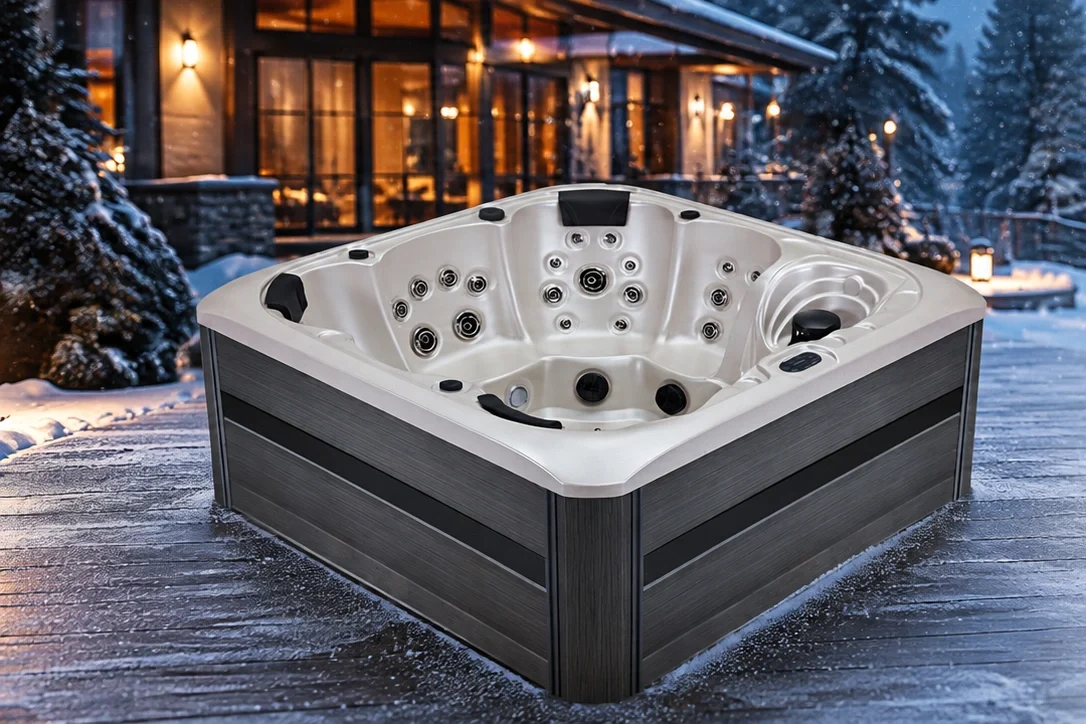
There is something special about sinking into warm, bubbling water while the air around you is cold enough to see your breath. For many owners, using a hot tub in winter is the best part of owning a spa: the steam rises, the stars come out early, and the rest of the day melts away.
But cold weather also asks a little more of you and your spa. Freezing temperatures, snow on the cover, shorter days and icy paths all change how you should use and care for a hot tub in winter. This guide walks through the 10 essential tips that keep your soaks safe and comfortable, how to decide whether to keep your spa running or winterize it, and what to look for if you are choosing a hot tub for a cold climate.
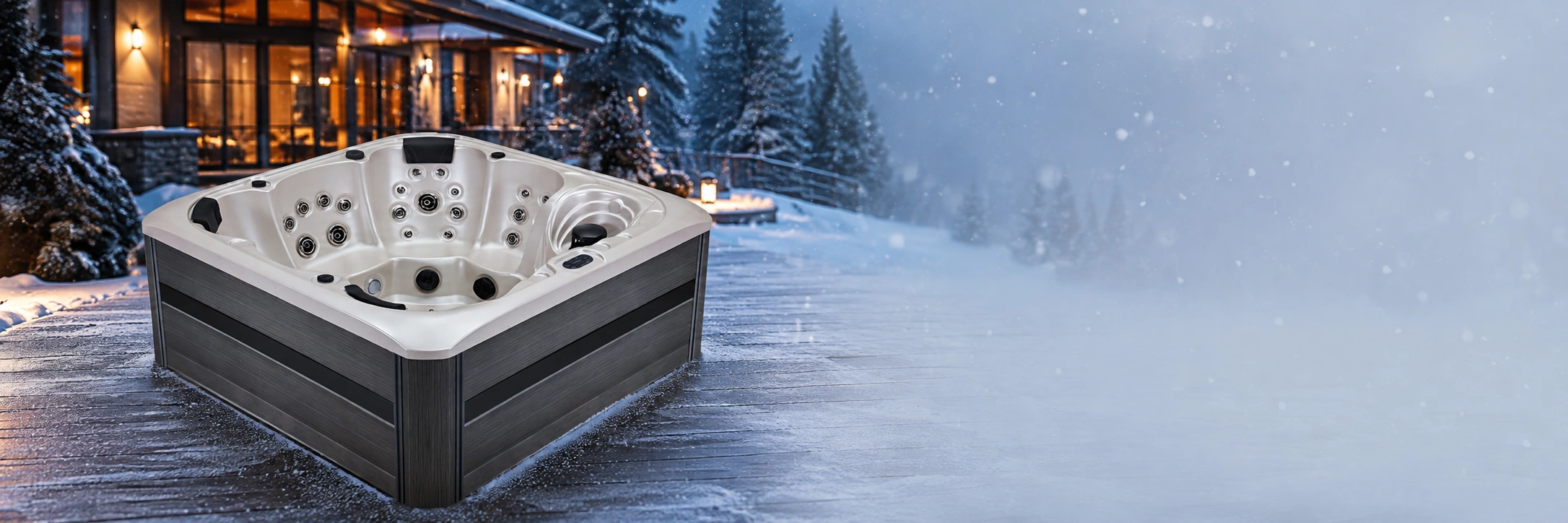
Can You Use a Hot Tub in Winter?
Yes. A hot tub is designed to be used outdoors all year round, and winter is when many owners use theirs the most. The contrast between cold air and warm water is a big part of the appeal, and a soak at the end of a dark, chilly day can become a ritual the whole family looks forward to.
The key is understanding what changes when temperatures drop:
- Water can freeze. If water stops circulating in very cold weather, it can freeze in the pipes, pump or heater and cause expensive damage.
- Heat escapes faster. Cold air and wind pull heat from the water and the cabinet, so your cover and insulation matter more than ever.
- Snow and ice add new jobs. You need a safe path to the spa and a cover that can cope with snow.
- Your body reacts differently. Moving between cold air and hot water is part of the fun, but it also means you should pay attention to temperature, soak time and hydration.
None of this is difficult. With a few simple habits, using a hot tub in winter is just as easy as using it in summer.
Keep It Running or Winterize It?
Before you think about winter tips, decide how you plan to use your spa over the cold months. There are really only two safe options: keep it running normally, or fully winterize it. The risky middle ground is leaving a spa full of water but switched off, because still water in the plumbing can freeze.
| Option | Best for | What it involves |
|---|---|---|
| Keep it running | Owners who want to soak through the winter | Leave the spa powered, heated and circulating on its normal schedule, keep the cover on, and keep up with water care |
| Winterize it | Spas that will not be used for weeks or months, holiday homes, or long trips | Drain the spa completely, clear water from the lines, clean and store the filters, switch off the power and secure the cover |
For most owners who live with their spa, keeping it running is simpler and safer than shutting it down. A spa that is powered, heated and circulating is actively protecting itself from the cold. If you will be away for an extended period, follow the winterization steps later in this guide, or ask a qualified spa technician to do it for you.
10 Essential Tips for Using a Hot Tub in Winter
1. Keep the Spa Powered and Running
The single most important rule for a hot tub in winter is simple: do not switch it off. Moving water is much harder to freeze than still water, and a running heater keeps the whole system above freezing.
Keep the spa on its normal heating and filtration schedule throughout the season. Many spa control systems also include a freeze-protection function that runs the pumps when the water or equipment gets too cold. Check your owner’s manual to see how your control system handles freezing weather and make sure any freeze-protection setting is enabled.
If you are going away for a few days, it is usually safer to lower the set temperature slightly than to turn the spa off. Turning it off completely in freezing weather is exactly how freeze damage happens.
2. Keep the Cover On and Secured
Your cover is the most important piece of winter equipment you own. A good insulated cover traps heat in the water, keeps snow, leaves and debris out, and reduces how hard the heater has to work on cold nights.
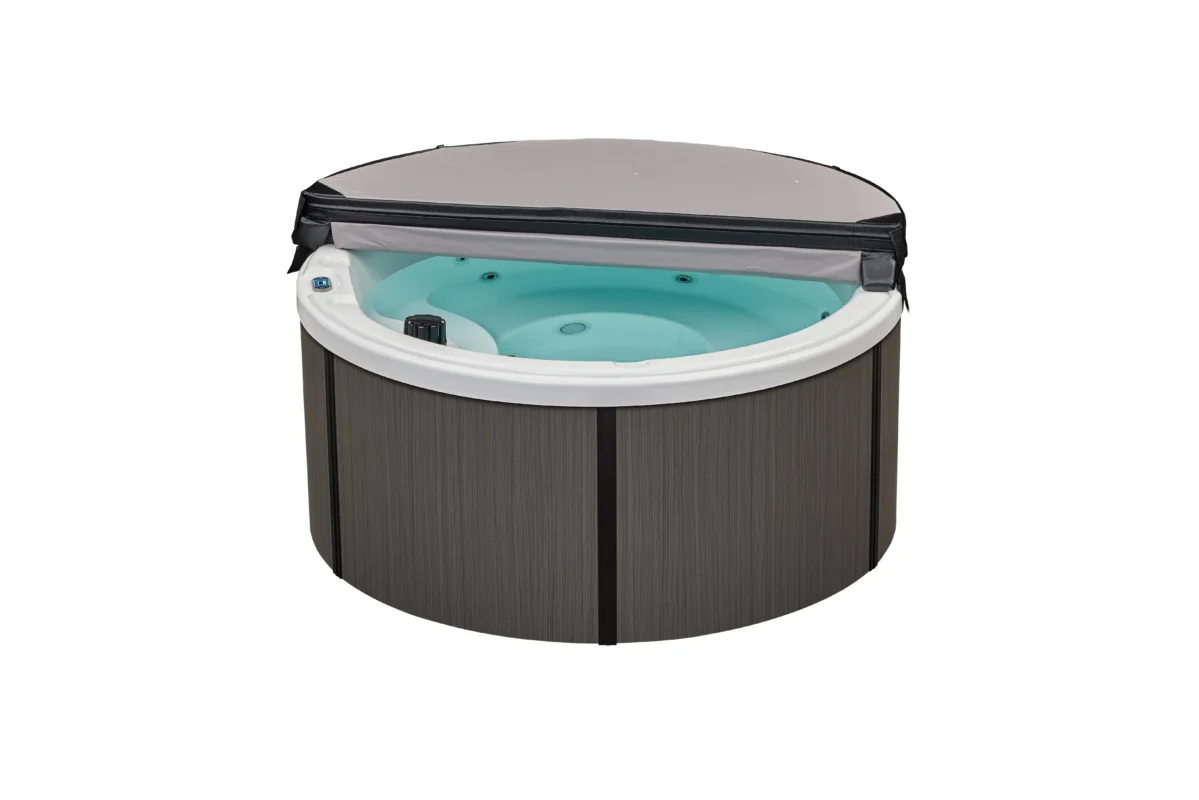
A few cover habits make a real difference in winter:
- Close it straight away. Every minute the cover is open on a freezing night, warm water is losing heat to the air.
- Use the straps or locks. Winter winds can lift a loose cover and let heat and snow in. Securing it also keeps children and pets safe.
- Check the fit. Look for gaps around the edge, torn seams or a cover that has become heavy and waterlogged. A cover that no longer seals well lets a lot of heat escape.
The Onyx X5R, X6 series and X8E all come with a tapered all-weather cover. The tapered shape helps rain and melting snow run off instead of pooling on top.
3. Clear Heavy Snow Gently
A light layer of snow on the cover is not a problem and can even add a little insulation. Heavy, wet snow is different. Too much weight can stress the cover and its hinge, and over time it can damage the foam core.
After a heavy snowfall, brush the snow off with a soft broom or a foam snow brush. Never use a metal shovel, ice scraper or anything sharp, because it is easy to tear the cover’s vinyl. If ice has frozen the cover to the spa edge, do not force it open. Let it thaw, or pour a little lukewarm water along the edge to release it.
4. Keep an Eye on the Water Level
Cold, dry winter air and the regular opening and closing of the cover mean water slowly evaporates. If the level drops too low, the skimmer can start drawing in air instead of water, and the pump and heater may not work properly.
Check the water level each week and top it up as needed so it stays within the range shown in your owner’s manual, usually above the skimmer opening. Use water from an outdoor tap only if it is not frozen, or fill from an indoor tap with a hose. After topping up, test the water chemistry, because fresh water changes the balance.
5. Set a Comfortable and Safe Temperature
When it is cold outside, it is tempting to turn the heat all the way up. Resist the urge. According to the U.S. Centers for Disease Control and Prevention, hot tub water should not be higher than 104°F (40°C). Many people find a few degrees lower more comfortable for a longer soak.
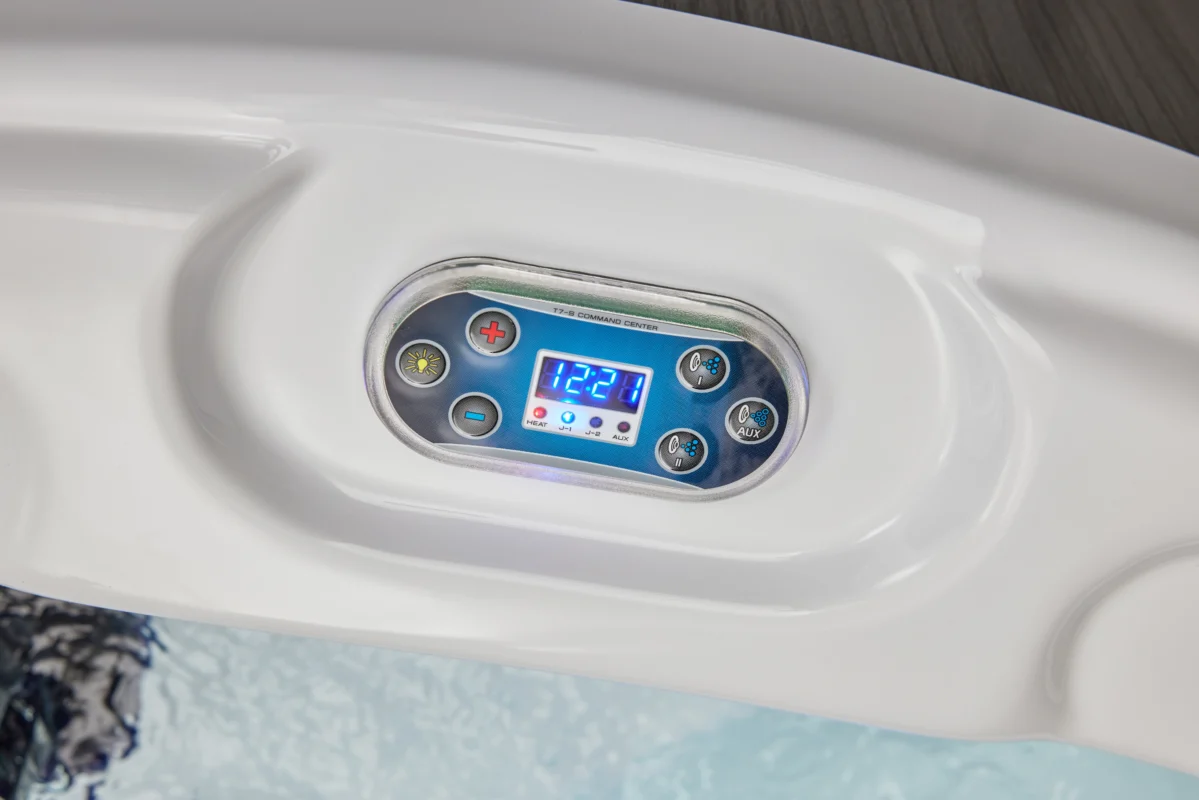
Try to keep the temperature steady through the season instead of making big jumps up and down. Reheating a large volume of water from cold takes time and energy, especially when the air temperature is low. If you know you will not use the spa for a few days, lower the set point a little rather than switching the heater off.
6. Keep Up With Water Care
You might use your hot tub less often in the depths of winter, but the water still needs care. Bacteria do not take a holiday, and water that is out of balance can be uncomfortable and harder on your spa’s equipment.
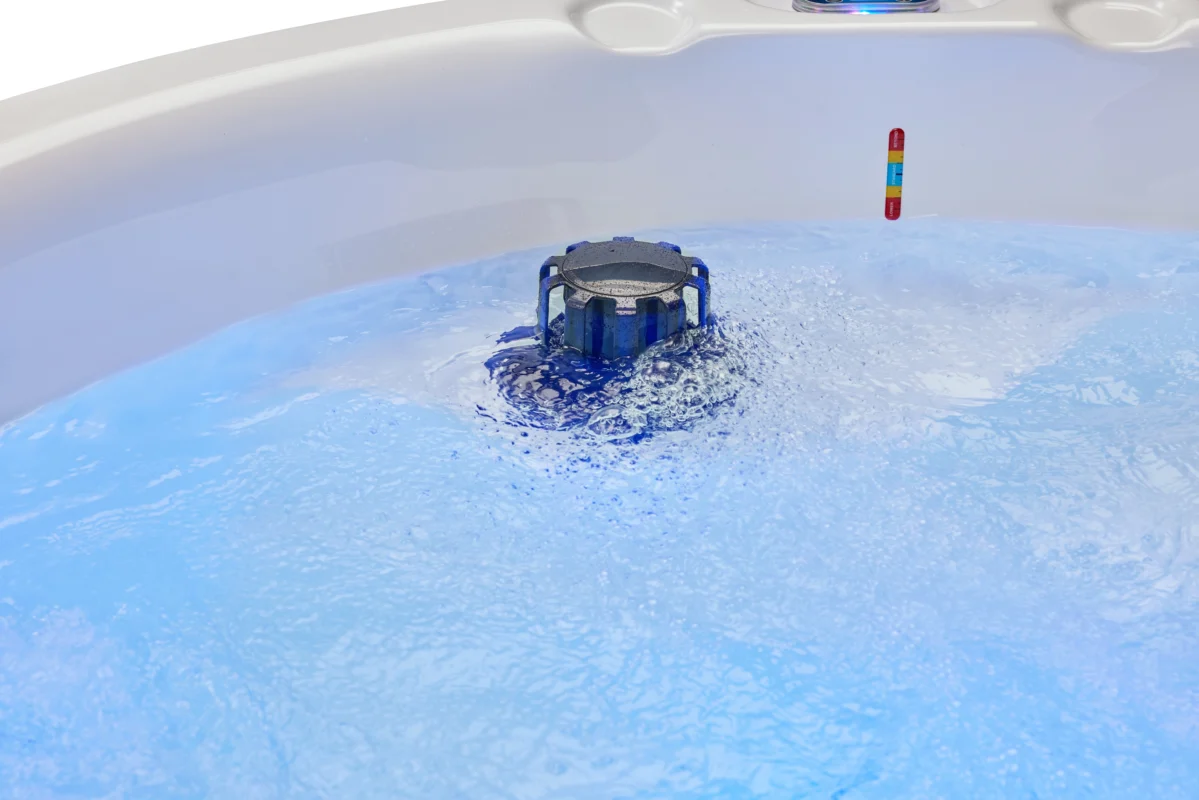
- Test regularly. Use test strips to check sanitizer and pH. The CDC’s guidance for hot tubs suggests a pH between 7.0 and 7.8, and the sanitizer levels recommended for the product you use.
- Keep sanitizer on hand. Snowstorms and icy roads are not a good time to run out of chemicals.
- Clean the filter. A clean filter keeps the water circulating freely, which also helps protect against freezing.
- Use ozone as a helper, not a replacement. The Onyx X5R, X6 series and X8E include an ozone water care system, which supports cleaner water, but you should still maintain the right sanitizer level.
If you plan to drain and refill your spa, try to do it before the coldest weather arrives. Refilling with very cold water in the middle of winter means a long wait for the water to heat up, and draining in freezing weather has its own risks.
7. Make the Walk to the Spa Safe and Warm
The short walk between the back door and the hot tub is often the coldest and riskiest part of a winter soak. Icy decks, wet steps and dark evenings are a common cause of slips.
- Clear snow and ice from the path, deck and steps before you head out.
- Use a non-slip mat or spa steps with a textured tread.
- Light the path. Outdoor lights, or the spa’s own LED lighting, make the route easier to see.
- Keep a warm robe, towels and non-slip slippers by the door, and put them on as soon as you get out.
A simple routine like this makes winter soaks much more inviting. When getting there is easy, you will use your spa more often.
8. Cut Heat Loss Around the Spa
Every degree your water loses on a cold night has to be replaced by the heater. Reducing heat loss keeps your spa more efficient and ready to use whenever you are.
- Block the wind. Wind strips heat from the cover and cabinet. A fence, screen, hedge or the wall of the house on the windward side helps a lot.
- Check the cabinet. Make sure access panels are closed and the cabinet is not damaged, so cold air cannot reach the equipment inside.
- Look after the cover. A waterlogged or damaged cover is one of the biggest sources of heat loss. Replace it if it no longer seals well.
Insulation inside the spa matters just as much. The Onyx X5R, X6 series and X8E are built with Arctic Thermal Insulation, which helps the spa hold its heat during cold weather.
9. Soak Smart When It Is Cold Outside
A winter soak should feel relaxing, not draining. Hot water raises your body temperature, and moving between freezing air and hot water is a lot for your body to handle. Follow a few common-sense habits:
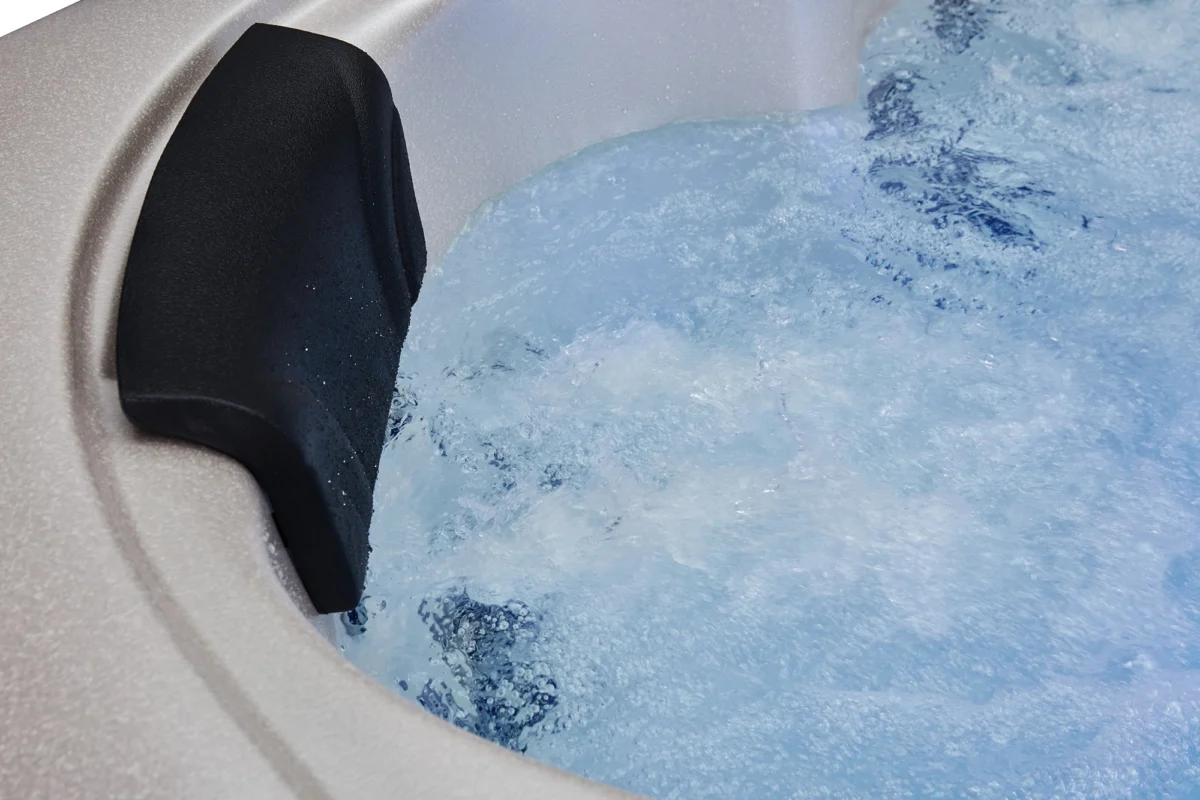
- Keep sessions moderate. Get out and cool down if you start to feel too hot, light-headed or uncomfortable.
- Stay hydrated. You may not notice that you are sweating in hot water, so keep a non-alcoholic drink nearby.
- Avoid alcohol. The CDC advises against drinking alcohol before or during hot tub use.
- Take care with children. The CDC advises that children under 5 should not use hot tubs, and older children should always be supervised.
- Check with a doctor if needed. If you are pregnant, have a medical condition or take medication, talk to your healthcare provider before using a hot tub.
- Get out slowly. Stand up gradually, use the handrail or steps, and wrap up straight away.
A warm hat can also make a big difference on very cold nights. Your body stays warm in the water while your head stays comfortable in the cold air.
10. Have a Plan for Power Outages
Winter storms can bring power cuts, and a spa that is not heating or circulating is at risk of freezing if the outage lasts long enough. A little planning helps you stay calm when it happens.
- Keep the cover closed and secured. Do not keep opening it to check the water. Each time you lift it, heat escapes.
- Warm up ahead of a storm. If a severe storm is forecast, raising the water temperature slightly beforehand gives the spa a little more stored heat.
- Do not try risky fixes. Avoid putting improvised heaters inside the cabinet or near electrical equipment.
- Know when to call for help. If the power is likely to be off for a long time in freezing weather, or you suspect water has started to freeze in the equipment, contact a qualified spa technician. Draining and clearing the lines may be the safest option.
- Restart carefully. When the power comes back, make sure the spa restarts normally, check that water is circulating, and look for leaks before you use it.
How to Winterize a Hot Tub If You Will Not Use It
If your spa will sit unused for weeks or months, for example at a holiday home, a properly winterized hot tub is much safer than one that is full but switched off. A partly drained spa can be the worst of both worlds, because water can stay trapped in the pipes and freeze.
Always follow the instructions in your owner’s manual, but winterization generally includes these steps:
- Turn off the power at the breaker or disconnect before you start.
- Drain the spa completely using the drain valve, then remove any remaining water from the footwell and seats with a wet-dry vacuum or sponge.
- Clean and dry the filters, then store them indoors.
- Clear water from the plumbing. A wet-dry vacuum is commonly used to blow out or draw water from the jets and lines so none is left to freeze.
- Protect the equipment as described in your manual, which may include opening drain plugs on the pump and heater.
- Clean the shell, fit the cover and secure it tightly so it stays in place through winter storms.
Winterization is easy to get wrong, and freeze damage can be costly to repair. If you are not confident doing it yourself, ask a qualified spa technician to winterize the spa for you and to restart it in spring.
What to Look for in a Hot Tub for Cold Climates
If you are shopping for a spa and live somewhere with real winters, a few features matter more than anything else. These are the things that decide how easy and enjoyable it will be to use your hot tub in winter.
- Insulation. Good insulation keeps heat in the water and the equipment protected. The Onyx X5R, X6 series and X8E use Arctic Thermal Insulation.
- A well-fitting cover. Look for a sturdy insulated cover that seals well and sheds snow and rain. The Onyx X5R, X6 series and X8E include a tapered all-weather cover.
- The right size. A bigger spa holds more water to heat and maintain. Choose a size that matches how many people will use it regularly. Our guide to choosing a hot tub layout can help.
- Water care. An ozone system, good filtration and an easy-to-reach filter make winter water care simpler.
- Lighting. In winter, many soaks happen after dark. Underwater LED lighting and illuminated corner or cabinet lights make evening use safer and more atmospheric.
- Electrical setup. Make sure your home can supply the power your spa needs, and have all electrical work done by a qualified electrician.
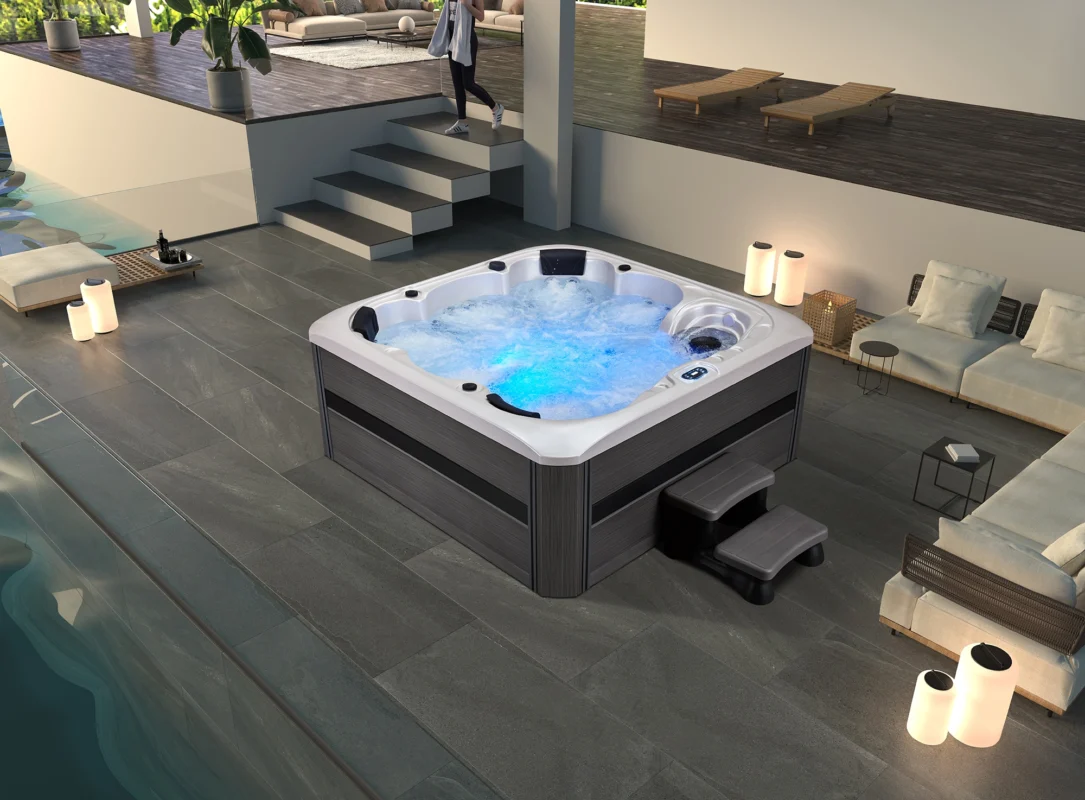
Here is how the current Onyx range fits different households:
- Onyx X5R: a 4 to 5 person round hot tub with 16 stainless steel jets and a 110V or 240V configuration. A good choice for smaller households and compact spaces.
- Onyx X6L: a 6-person hot tub with a full-length lounger and 31 jets, for owners who want to stretch out on a cold night.
- Onyx X6A: a 6-person all-seat hot tub with 30 jets, ideal for families who soak together.
- Onyx X6D: a double lounger spa with 56 jets and twin jet pumps.
- Onyx X6R: a 6-person spa with 26 jets and LED accent lighting.
- Onyx X8E: an 8-person all-seat hot tub with an infinity edge and 67 jets, for larger groups.
The 6-person and 8-person models listed above require a 40 amp GFCI-protected circuit, so plan the electrical work early, ideally before the ground freezes.
Winter Hot Tub Checklist
Use this quick checklist to keep your hot tub in winter shape all season:
- Spa powered on, heating and circulating on its normal schedule
- Freeze-protection setting checked in your owner’s manual
- Cover closed, strapped down and in good condition
- Heavy snow brushed off the cover with a soft broom
- Water level checked weekly and topped up when needed
- Water temperature at or below 104°F (40°C)
- Sanitizer and pH tested regularly, with spare chemicals on hand
- Filter cleaned so water circulates freely
- Path and steps cleared of snow and ice, with a non-slip mat in place
- Robe, towels and slippers ready by the door
- A plan for power outages, and a spa technician’s number saved
Frequently Asked Questions
Is it safe to use a hot tub when it is snowing?
Yes, as long as the path to the spa is safe and there is no lightning. Many owners love soaking while the snow falls. Clear snow and ice from steps and decks first, keep sessions moderate, and close the cover as soon as you get out.
Should I turn my hot tub off in winter?
No, not if it is still full of water. A spa that is full but switched off can freeze in cold weather. Either keep it running on its normal schedule, or fully drain and winterize it if you will not use it for a long time.
Can a hot tub freeze?
Yes. If water stops moving and is not heated for long enough in freezing temperatures, it can freeze in the pipes, pump or heater. Keeping the spa powered and circulating, with the cover closed, is the best protection.
Does a hot tub cost more to run in winter?
Usually, yes. Colder air means the heater works harder to keep the water at temperature. Good insulation, a well-fitting cover, shelter from the wind and a steady temperature setting all help keep running costs down.
How often should I check my hot tub in winter?
A quick check each week is a good habit: water level, water chemistry, the filter and the condition of the cover. Check more often after storms, heavy snow or a power cut.
Find a Hot Tub Built for Every Season
With the right habits, a hot tub in winter becomes the warmest, most relaxing part of the season. The Onyx X5R, X6 series and X8E include Arctic Thermal Insulation, a tapered all-weather cover and ozone water care, so they are ready for cold-weather soaks from the day they arrive.
You can browse the full Onyx collection to compare round, all-seat and lounger models, or read our FAQ for more on delivery, electrical needs and maintenance. Ready to plan your winter retreat? Get a quote and tell us about your space and how you plan to use your spa, and we’ll help you choose the right model.